
 Call (909) 627-0988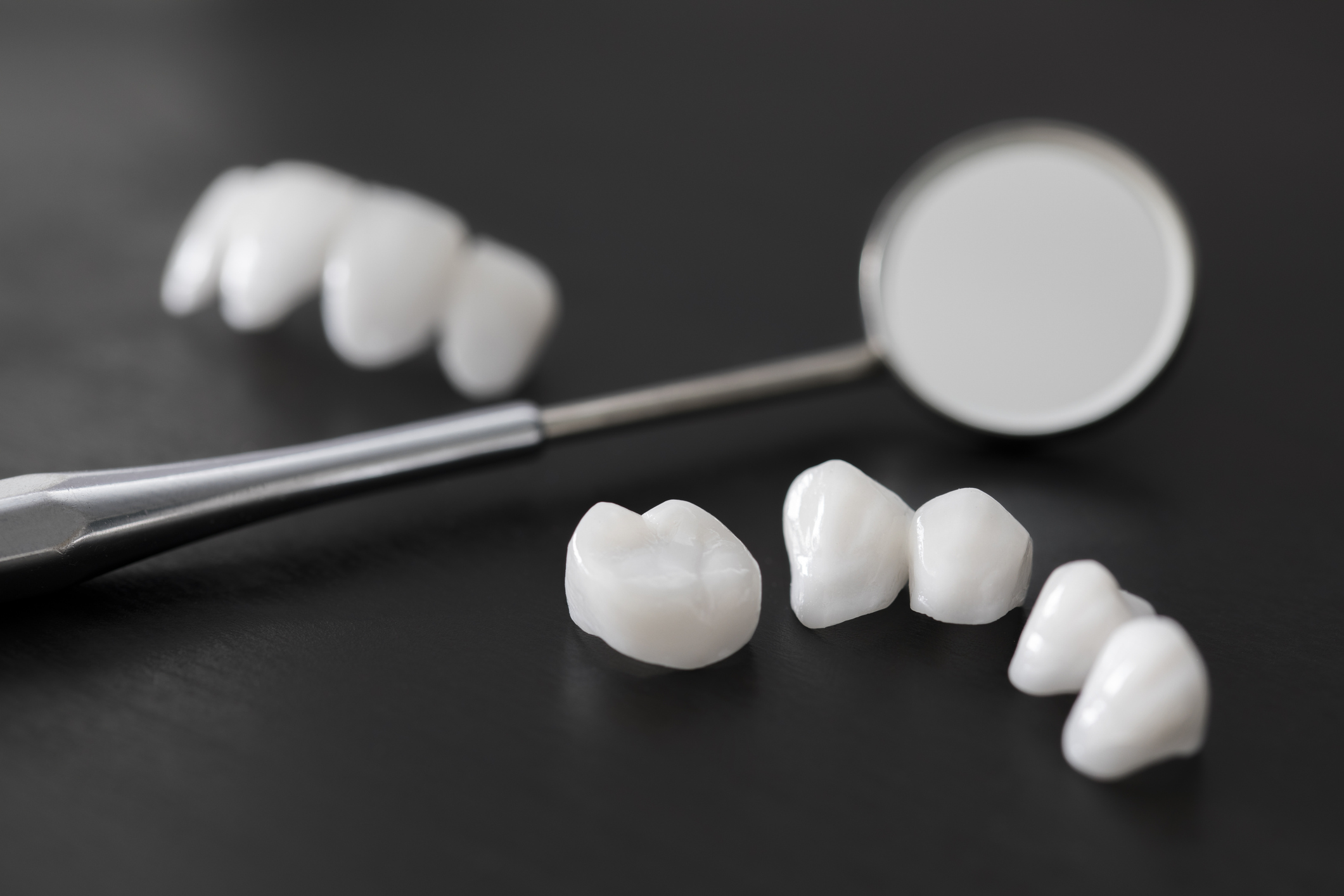
Cosmetic dental procedures are constantly evolving. Lumineers are a relatively new cosmetic option that can noticeably enhance your smile in just one dental visit. But what are lumineers exactly? In this article, we discuss this cosmetic solution and compare lumineers to dental veneers.
What are Lumineers?
Lumeneers are fragile porcelain shells. They are bonded to the teeth and cover the entire front side of a tooth. Lumineers can be used to solve minor or mild cosmetic issues, such as:
- Stains or discoloration
- Small gaps between the teeth
- Minor tooth damage (small chips or cracks)
- Slightly misshapen teeth
- The biggest advantage of lumineers is that they are a minimally invasive procedure that does not significantly damage natural teeth.
In general, lumineers can last 10 to 15 years, provided that you care for them properly and avoid damage.
Differences Between Lumineers and Veneers
There are several main differences between dental lumineers and veneers:
- Lumineers are thinner than veneers.
- Lumineers require less of the tooth’s enamel to be filed down for their application (due to their thinness)
- Lumineers can effectively mask minor cosmetic issues, but cannot cover more severe issues; in such cases, it is better to opt for dental veneers.
- Lumineers are often reversible (can be removed) because they do not cause significant tooth damage, while veneers are a lifetime commitment.
Therefore, the choice between dental veneers and lumineers can depend not only on your personal preferences but also on the type of cosmetic issues you want to solve and your readiness to commit to a permanent solution.
Is Getting Lumineers Painful?
The lumineer application procedure typically does not cause pain or discomfort for the patient because, as we mentioned before, very little to no tooth enamel removal is required before the application. Additionally, your doctor can use a local anesthetic to numb the procedure area.
Also, people experience significantly less tooth sensitivity to hot and cold beverages and foods after the luminaire procedure than with dental veneers, where more of the tooth enamel is removed.
How to Take Care of Lumineers
Taking proper care of your lumineers involves the following steps:
Adjust Your Diet
Since lumineers are made of thinner porcelain, they can be damaged, chipped, or cracked if you are not careful with your diet. We recommend avoiding hard foods, such as crackers and stale bread, or foods you have to bite down into, such as corn on the cob and firm apples.
Additionally, avoid staining foods and beverages, such as red wine, black coffee, beet root, and products with artificial dyes. If you consume staining foods or drinks, brush your teeth or rinse your mouth immediately after the meal.
Avoid Damaging Your Lumineers
To avoid chipping or cracking your lumineers, avoid habits like chewing on hard objects (pens or your nails) and do not use your teeth as tools. Also, it is recommended to wear a mouthguard when playing extreme or contact sports.
Maintain Good Oral Hygiene
Commitment to efficient everyday oral hygiene when wearing lumineers is essential because insufficient hygiene and poor oral health can lead to bond failure, tooth decay, exposed edges of lumineers (due to gum disease), and yellowing of lumineers near the edges.
Make an Appointment with a Cosmetic Dentist at Chino Aesthetic
If you are considering a cosmetic procedure, do not hesitate to make an appointment with an experienced dentist at Chino Aesthetic. At our office, we use high-quality materials and modern methods to deliver reliable results to every client. We are looking forward to your visit.