
 Call (909) 627-0988
Braces in Chino for Kids & Teens
We accept all PPO and Denti-Cal/Medi-Cal insurances
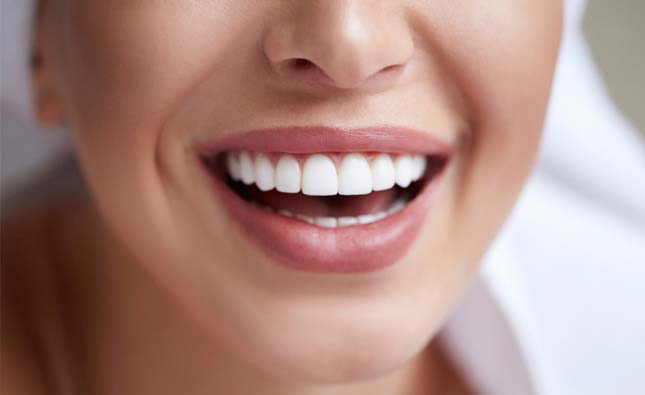
Braces: What Are They
- Over-, under-, or crossbite
- Misalignment issues (crooked, crowded, or gapped teeth)
- Jaw alignment issues
How Do Braces Work?
Benefits of Braces
- Lifelong Oral Health Benefits: Decrease your risk of tooth decay, gum disease, and discomfort for a lifetime.
- Better Oral Function: You may be surprised at how big a difference aligned teeth make for activities like chewing and speaking.
- Reliable Treatment: Braces produce predictable, consistent results, providing results that match expectations.
- Reduced TMJ Symptoms: Better bite alignment can reduce strain on the TMJ and improve comfort.
Why Choose Chino Aesthetic for Orthodontic Care
- Expert, compassionate care for all ages
- Individually designed treatment plans and patient support
- Board-certified specialists with proven track records
- Attentive follow-up care at every stage
- Results that you can depend on
- A focus on patient comfort and safety
FAQs
On average, you will need to have braces for 18 to 24 months. For most patients, this timeframe is sufficient to bring all their teeth into proper alignment. However, alignment issues can vary dramatically from one patient to the next. Some patients may need as few as 6 months for full treatment. More severe misalignment can take up to 3 years to correct.
When planning your treatment, we will provide an estimate for your timeframe. We have provided orthodontic care to countless patients over the years, equipping us with the experience to create accurate projections for treatment timelines.
There is no upper limit to getting braces. However, the sooner you pursue orthodontic treatment, the sooner you can reap the benefits. Braces for kids and teens tend to be a milder experience. Since their bodies are still developing, they can respond more quickly to treatment. Treatment time is typically shorter, and they can enjoy the benefits for a lifetime.
However, many people might not have had access to braces during adolescence. So starting in your 20s or even much later into adulthood can still work.
Braces tend to cost between $3,000 and $5,000 for the entire treatment. The total cost will depend on factors like treatment complexity, any preparatory treatments, and follow-up care (e.g., retainers).
We break down the costs of each treatment during your consultation to paint a clear picture of what to expect. We accept most insurance plans and work with patients to find payment options that suit their needs. Our primary goal is always to ensure that our patients have access to the care they need.
Dental insurance almost always covers braces for kids and teens. However, coverage amount can vary, meaning out-of-pocket costs can differ. We gladly work with patients to understand what their insurance will cover or reimburse for their expected plan costs. For adults, not all dental insurance plans cover orthodontic treatment, so we recommend contacting your insurance to understand your benefits.
Braces do come with a few dietary restrictions. Your child can still enjoy most foods, but they will need to keep an eye out for anything that is:
- Sticky
- Chewy
- Crunchy
- Hard
Any food items with these consistencies could prove problematic for your braces. As for beverages, keep any acidic or sugary drinks to a minimum.
The key advantage of braces is their efficacy. However, the downside is their visibility. For a subtler treatment, we also offer Invisalign. These clear aligning trays also provide orthodontic treatment. During your consultation, we will work with you to settle on the best treatment for your health, concerns, and preferences.
They can! However, we recommend your child wear a sportsguard during most physical activities. We especially recommend this precaution for any contact sports like soccer, football, or basketball.
While braces do require some extra considerations for oral hygiene, the right techniques make it easier. When cleaning your teeth and braces, try:
- Using a flosser designed for braces (floss threaders, water flossers)
- Using a soft-bristled toothbrush (or electric)
- Brushing after every meal
In most cases, you will need a retainer, but the duration will vary. Usually, patients will need to wear a retainer nightly for about 4 months following treatment. While your teeth are in their new position, it takes some extra time for the surrounding bone to reform and fully secure them. A retainer helps keep your new smile in place.
Book an Appointment Today
See What Our Patients Are Saying

Tamara V.